ADHD starts as an attention problem. It becomes a life problem.
Getting the diagnosis was supposed to be the hard part. Instead you left with a label, maybe a prescription, and a vague suggestion to "look into therapy." You've spent the years since building workarounds — white-knuckling deadlines, apologizing for forgetting, reacting too fast, shutting down too slow.
This isn't a character flaw, and effort alone won't fix it. It's a brain pattern — and structured, evidence-based work can change how it runs your days.
Does this sound familiar?
Three stages, one clear path
No referral loops, no intake committees. Every stage has one job, and you always know what comes next.
{{ step.title }}
{{ step.body }}
If screening suggests you need an assessment, medical care, crisis support, or individual therapy first — we say so plainly and help you get there.
The point isn't a diagnosis. The point is direction.
Not sure it's ADHD? You don't need to be certain to begin. STG combines structured psychometric assessment with nurse practitioner clinical care — so clarity and treatment live under one roof, not across a referral loop.
Your experience, in context
A comprehensive intake focused on how challenges actually show up — attention, task management, emotional regulation, energy, and stress across work, relationships, and home. Not a symptom checklist.
Structured clinical evaluation
Validated assessment tools and clinical interviews designed for adults — covering attention, executive functioning, emotional regulation, and overlapping factors like anxiety and burnout. Tools inform clinical judgment; they never replace it.
Feedback & intervention plan
Direct verbal feedback, a written summary in plain language, and a tailored intervention plan — therapeutic goals, skill priorities, accommodations, and the right STG treatment path. Whether or not ADHD is confirmed.
Nurse practitioner care, when indicated
When the assessment points to it, an STG nurse practitioner provides medical assessment and medication consultation — and can bridge prescribing if you don't yet have a prescriber, until your ongoing care is in place with a family physician or nurse practitioner. Long-term medication management stays with your own provider, coordinated with the therapy and skills work.
Paced to your capacity
Some people need fewer steps; others benefit from the comprehensive route. Progression is guided by clinical judgment and decided with you — already overwhelmed is a fine place to start.
Book an intake session →One clinic, structured ways in for every front
Every program is clinician-led, evidence-based, and delivered by secure telehealth — the same care from La Ronge to Regina.
Fees are insurance-eligible under most extended health plans.
Which one is for you?
Start with the sentence that sounds like you. The $40 screening confirms the fit either way.
Two ways to begin
Ready to explore a program — or just want a private first step? One is $40, one is free.
Fit & safety screening
A $40 intake commitment that buys dedicated clinician time. Complete the questionnaire on your own time — about 10–15 minutes — then a clinician personally reviews your fit, diagnosis status, current risk, and distress level.
Free ADHD starter plan
Answer a few focused questions about your ADHD pattern, energy, sleep, and coping. Get a private, personalized starter plan you can use right away — keep it to yourself or share it with STG later.
What happens after you pay the $40?
The starter plan offers general wellness information only — not a diagnosis, therapy, medical advice, or an emergency service. It doesn't replace assessment or medication management.
An honest fit check, before you commit
You may recognize yourself here
Start somewhere else if…
Structured care that holds safety, skills, and real life together
{{ w.title }}
{{ w.body }}
Coverage & cost
STG programs may be covered by extended health benefits through major Canadian insurers, including Sun Life, Manulife, Canada Life, Blue Cross SK, Victims Services, and Co-operators.
First Nations clients may be eligible for NIHB (Non-Insured Health Benefits) funding — resulting in no-cost screening and therapy, including the $40 screening. STG bills NIHB directly.
Ask about your coverage →Delivered by telehealth
Group sessions, individual therapy, and check-ins run by secure video across Saskatchewan — built for northern, rural, and remote communities. You need a private space, a stable connection, and a few minutes a day for between-session practice.
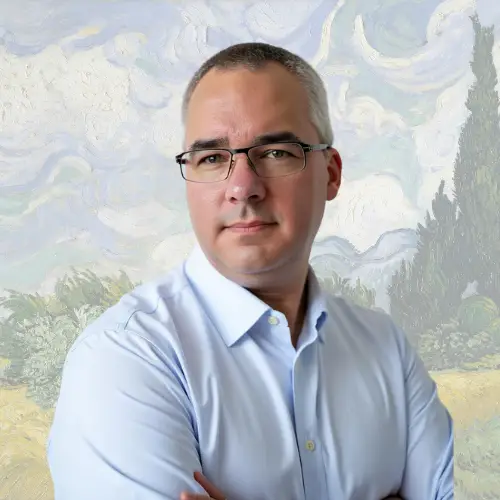
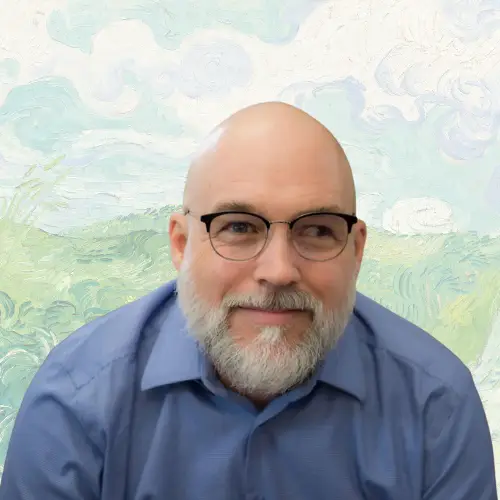



Real clinicians, licensed in Saskatchewan
Clinical counsellors, a registered doctoral psychologist, and a doctoral nurse practitioner — the same faces every week, start to finish.
Questions you're probably already asking
{{ f.a }}
The STG Online Clinic
All STG clients get access to the STG Online Clinic — a secure library of 25+ self-paced courses and practical tools you can return to between sessions and long after. That includes STG Brain Dump 3.0 for offloading a racing mind onto a system that holds it, and STG Reset for ending procrastination and getting unstuck when a task won't start.
Ready to stop white-knuckling it?
Ten to fifteen minutes now. A clear answer about fit. And if this isn't the right first step, we'll help you find the one that is.